%20--%3e%3crect%20x='1020.133'%20y='137.663'%20width='64.476'%20height='76.118'%20fill='%23008f97'/%3e%3cpath%20d='M1400.664,454.669h-117.108c-28.781,37.37-56.467,58.911-99.336,58.911h0c-22.794,0-55.624-6.553-77.468-63.212-14.693-38.107-22.143-93.03-22.143-163.241h-64.474c0,70.209-7.449,125.133-22.143,163.241-21.642,56.129-54.056,63.08-76.821,63.205-31.677-.065-63.996-24.4-89.21-66.993,53.24-69.506,82.369-158.871,82.369-253.747,0-53.253-5.951-96.245-17.687-127.788C875.582,8.45,839.22,0,819.417,0c-27.709,0-65.11,14.43-85.936,83.177-13.598,44.896-16.453,100.105-16.453,138.511,0,81.793,13.129,155.198,38.218,215.002-38.39,38.344-98.925,76.89-187.116,76.89-11.478,0-22.148-.643-32.059-1.849,59.345-33.063,105.781-78.051,105.781-133.919,0-30.047-11.345-56.928-32.806-77.735-24.98-24.217-61.04-37.426-98.999-36.253-98.692,3.06-150.774,80.266-149.671,151.355.483,31.229,10.355,60.69,28.34,85.697-31.539,8.357-59.408,12.704-77.245,12.704-27.265,0-36.054-17.384-47.029-93.001-4.784-32.965-9.732-67.051-23.543-94.981-18.4-37.211-50.072-56.88-91.593-56.88-29.329,0-59.475,12.018-84.932,39.989V77.175H0v492.19h64.374v-23.597c0-146.122,44.026-212.676,84.932-212.676,28.512,0,39.325,13.341,51.429,96.732,4.665,32.139,9.488,65.373,22.615,92.43,22.334,46.037,60.247,55.7,88.121,55.7,29.771,0,81.278-9.3,134.888-27.297,33.459,17.949,74.83,27.297,121.771,27.297,82.356,0,158.427-29.005,218.606-82.549,36.247,53.175,83.064,82.226,133.786,82.521v.028c.188,0,.382-.007.571-.008.07,0,.138.008.208.008v-.01c41.865-.199,97.19-16.68,131.071-90.941,34.088,74.718,89.893,90.951,131.848,90.951,76.707,0,121.934-44.343,157.889-93.784,35.956,49.441,81.183,93.784,157.891,93.784v-64.374C1457.13,513.58,1429.444,492.039,1400.664,454.669ZM454.914,478.873c-20.865-18.799-29.83-42.635-30.171-64.692-.849-54.665,43.276-84.65,87.298-86.014.874-.027,1.739-.041,2.605-.041,19.374,0,37.761,6.702,49.589,18.169,8.786,8.518,13.242,19.123,13.242,31.517,0,28.341-37.533,62.547-100.399,91.504C469.764,472.685,462.354,475.872,454.914,478.873ZM801.996,376.033c-13.444-45.067-20.594-97.82-20.594-154.345,0-107.316,22.685-157.314,38.015-157.314,10.649,0,30.538,37.681,30.538,128.459C849.955,259.731,833.167,323.107,801.996,376.033Z'%20fill='%23008f97'/%3e%3cpath%20d='M1342.109,369.985c-35.955-49.442-81.182-93.786-157.889-93.786v64.376c42.869,0,70.555,21.541,99.336,58.909h117.107c28.781-37.368,56.467-58.909,99.337-58.909v-64.376C1423.292,276.199,1378.065,320.543,1342.109,369.985Z'%20fill='%23008f97'/%3e%3c/svg%3e)
DNA Methylation
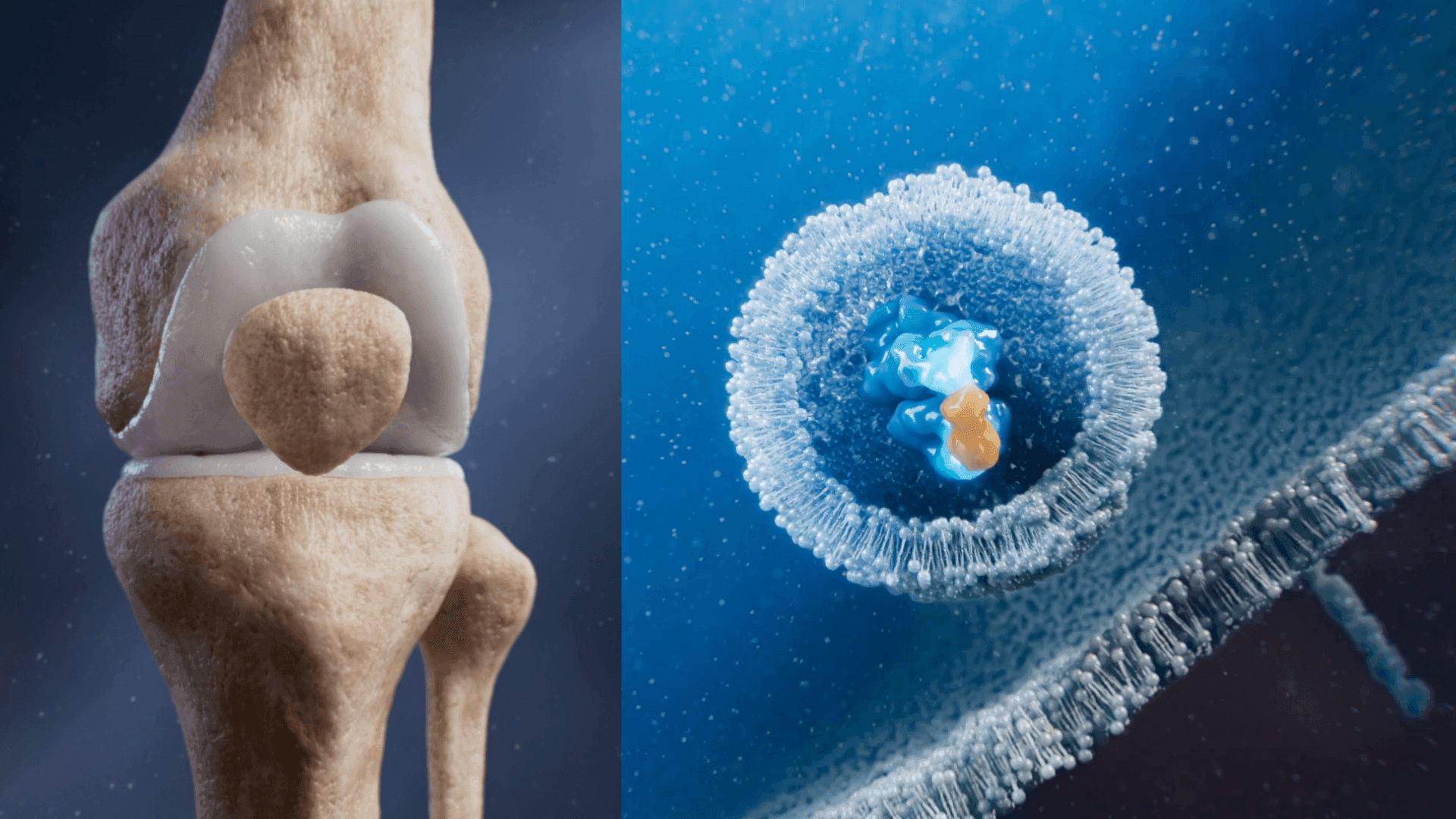
Scientific 3D visualization of a novel research published in Nature Communications, with the potential to change the future of personalised preventive medicine.


- Client
- University of Innsbruck · EUTOPS Institute
- Expertise
- Pharma MOA
Epigenomics - Scientific 3D visualization of a novel research published in Nature Communications, with the potential to change the future of personalized preventive medicine.
The University of Innsbruck EUTOPS institute turned to Helix Animation in an effort to find the best way to present their latest complex and breakthrough research published in Nature Communication in a video that would grasp the diverse audience attention, and bring closer the novel, very important field of epigenomics and its risk prediction potential, as well as introduce the new WID tests and the WID risk scores that may offer an innovative way of diagnosing and risk predicting four women’s cancers: breast, ovarian, endometrial, and cervical.
We were thrilled to work with the EUTOPS expert team in developing a concise and easy to understand scientific storytelling that embraced all the key messages in a clear way for the respected audience. Further on, through our pre-production and production processes, we have developed script, storyboard, look and feel and turned it into a spellbinding final animated video product, with various versions for the distinct outlet usage in two different languages.
In their research, they have identified that BRCA mutation carriers exhibit higher levels of the hormone progesterone during their menstrual cycle than women without a BRCA mutation. Higher cumulative progesterone levels may trigger proliferation of cells in the breast, in particular those that are often the cell of origin for the aggressive triple negative breast cancer called luminal progenitor cells. Using epigenetic features on the DNA, called DNA methylation, they were able to quantify the number of "aged" luminal progenitor cells in the breast.
You can learn more about this novel test, called WID-Breast29 on their website and read the full research paper published in Genome Medicine.
Helix Animation Team
Next step