%20--%3e%3crect%20x='1020.133'%20y='137.663'%20width='64.476'%20height='76.118'%20fill='%23008f97'/%3e%3cpath%20d='M1400.664,454.669h-117.108c-28.781,37.37-56.467,58.911-99.336,58.911h0c-22.794,0-55.624-6.553-77.468-63.212-14.693-38.107-22.143-93.03-22.143-163.241h-64.474c0,70.209-7.449,125.133-22.143,163.241-21.642,56.129-54.056,63.08-76.821,63.205-31.677-.065-63.996-24.4-89.21-66.993,53.24-69.506,82.369-158.871,82.369-253.747,0-53.253-5.951-96.245-17.687-127.788C875.582,8.45,839.22,0,819.417,0c-27.709,0-65.11,14.43-85.936,83.177-13.598,44.896-16.453,100.105-16.453,138.511,0,81.793,13.129,155.198,38.218,215.002-38.39,38.344-98.925,76.89-187.116,76.89-11.478,0-22.148-.643-32.059-1.849,59.345-33.063,105.781-78.051,105.781-133.919,0-30.047-11.345-56.928-32.806-77.735-24.98-24.217-61.04-37.426-98.999-36.253-98.692,3.06-150.774,80.266-149.671,151.355.483,31.229,10.355,60.69,28.34,85.697-31.539,8.357-59.408,12.704-77.245,12.704-27.265,0-36.054-17.384-47.029-93.001-4.784-32.965-9.732-67.051-23.543-94.981-18.4-37.211-50.072-56.88-91.593-56.88-29.329,0-59.475,12.018-84.932,39.989V77.175H0v492.19h64.374v-23.597c0-146.122,44.026-212.676,84.932-212.676,28.512,0,39.325,13.341,51.429,96.732,4.665,32.139,9.488,65.373,22.615,92.43,22.334,46.037,60.247,55.7,88.121,55.7,29.771,0,81.278-9.3,134.888-27.297,33.459,17.949,74.83,27.297,121.771,27.297,82.356,0,158.427-29.005,218.606-82.549,36.247,53.175,83.064,82.226,133.786,82.521v.028c.188,0,.382-.007.571-.008.07,0,.138.008.208.008v-.01c41.865-.199,97.19-16.68,131.071-90.941,34.088,74.718,89.893,90.951,131.848,90.951,76.707,0,121.934-44.343,157.889-93.784,35.956,49.441,81.183,93.784,157.891,93.784v-64.374C1457.13,513.58,1429.444,492.039,1400.664,454.669ZM454.914,478.873c-20.865-18.799-29.83-42.635-30.171-64.692-.849-54.665,43.276-84.65,87.298-86.014.874-.027,1.739-.041,2.605-.041,19.374,0,37.761,6.702,49.589,18.169,8.786,8.518,13.242,19.123,13.242,31.517,0,28.341-37.533,62.547-100.399,91.504C469.764,472.685,462.354,475.872,454.914,478.873ZM801.996,376.033c-13.444-45.067-20.594-97.82-20.594-154.345,0-107.316,22.685-157.314,38.015-157.314,10.649,0,30.538,37.681,30.538,128.459C849.955,259.731,833.167,323.107,801.996,376.033Z'%20fill='%23008f97'/%3e%3cpath%20d='M1342.109,369.985c-35.955-49.442-81.182-93.786-157.889-93.786v64.376c42.869,0,70.555,21.541,99.336,58.909h117.107c28.781-37.368,56.467-58.909,99.337-58.909v-64.376C1423.292,276.199,1378.065,320.543,1342.109,369.985Z'%20fill='%23008f97'/%3e%3c/svg%3e)
The unique MOA of Glunozumab
Visualizing a revolutionary approach to treating neurological diseases such as strokes, multiple sclerosis or Parkinson’s disease.

- Client
- Lys Therapeutics
- Expertise
- Pharma MOA
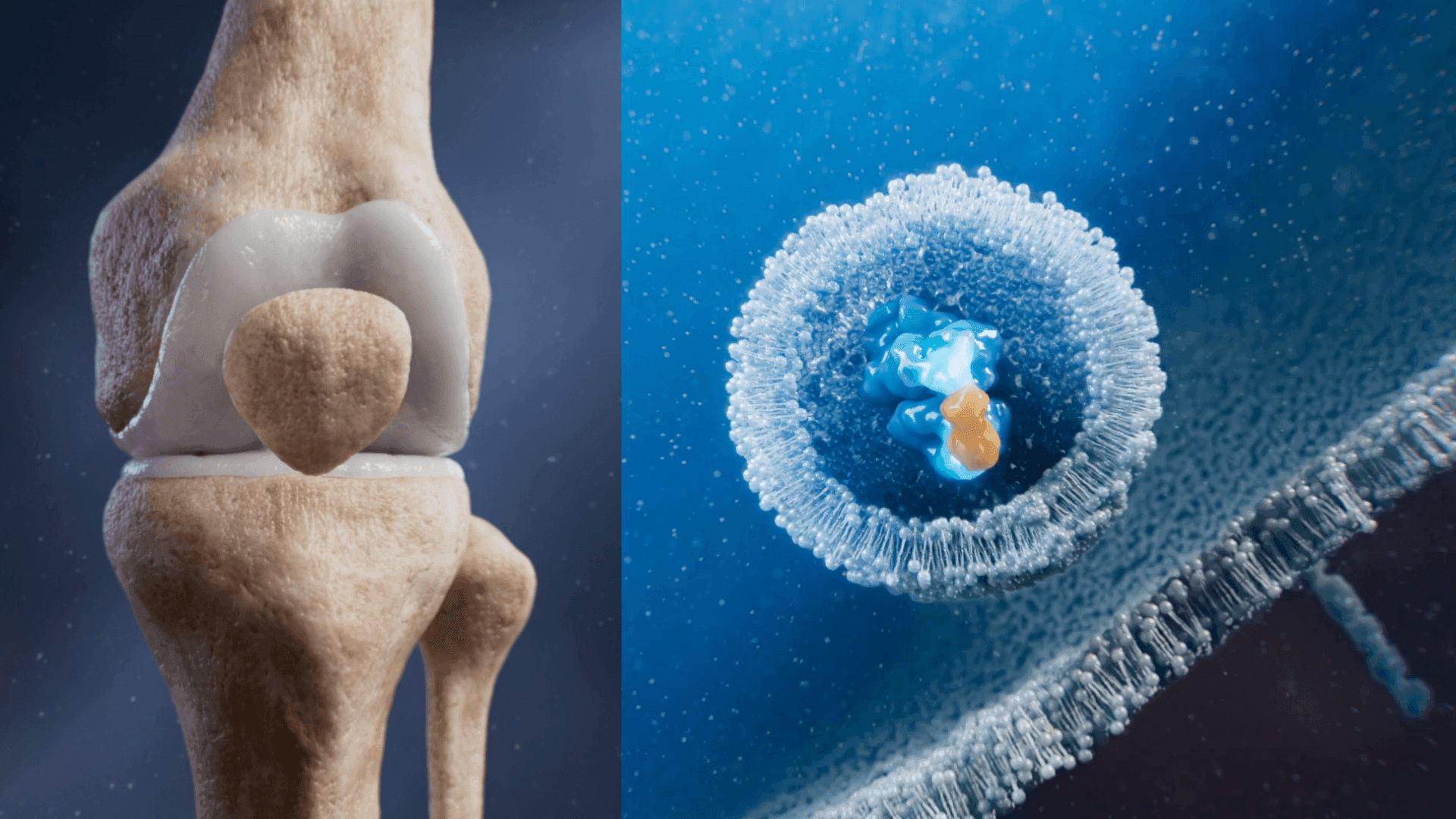
Bringing to screen Lys Therapeutics' breakthrough approach to treat patients suffering from neurodegenerative or neurovascular disorders, such as multiple sclerosis, Parkinson’s disease or strokes.
Lys's management reach out to Helix with an idea to present the groundbreaking mechanism of action of their main drug - a first-in-class monoclonal antibody - Glunozumab to pharma companies and potential investors in a clear, accurate and highly compelling way,
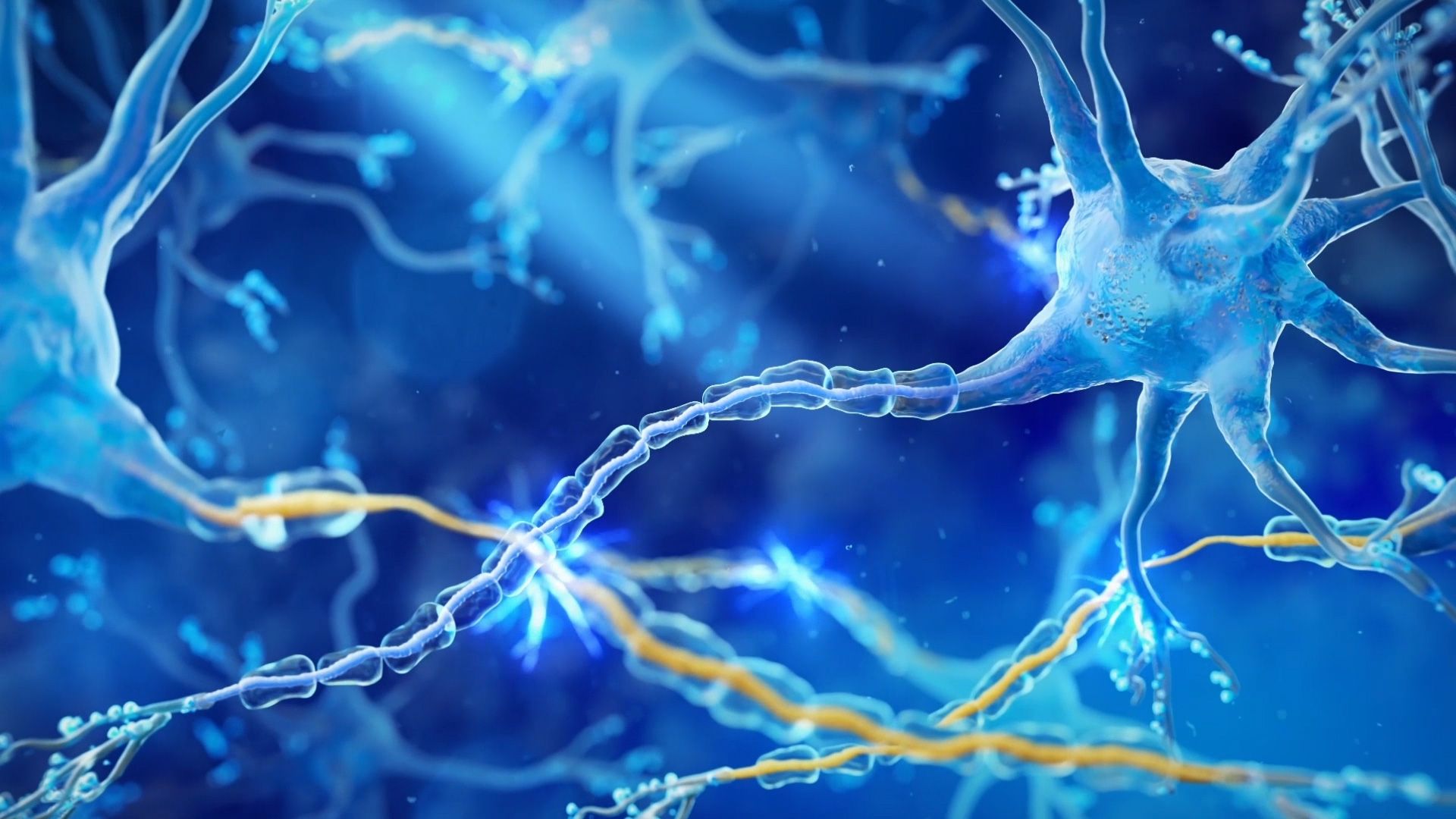
Helix Animation team, in close collaboration with their scientific experts and marketing team developed the complete concept and completely produced the ~2.5 min 3D animated video that presented the normal physiology of the central nervous system (CNS) and the blood brain barrier (BBB), the pathophysiology of neurological diseases and the unique mechanism
of action of Glunozumab.
The video had an ambition objective to depict multiple aspects in a concise, coherent and engaging way:
the role of tissue plasminogen activator (tPA) in the pathophysiology of neurological diseases such as multiple sclerosis, Parkinson’s disease, stroke and other (depicted with a single sequence representing all above mentioned neurodegenerative diseases).
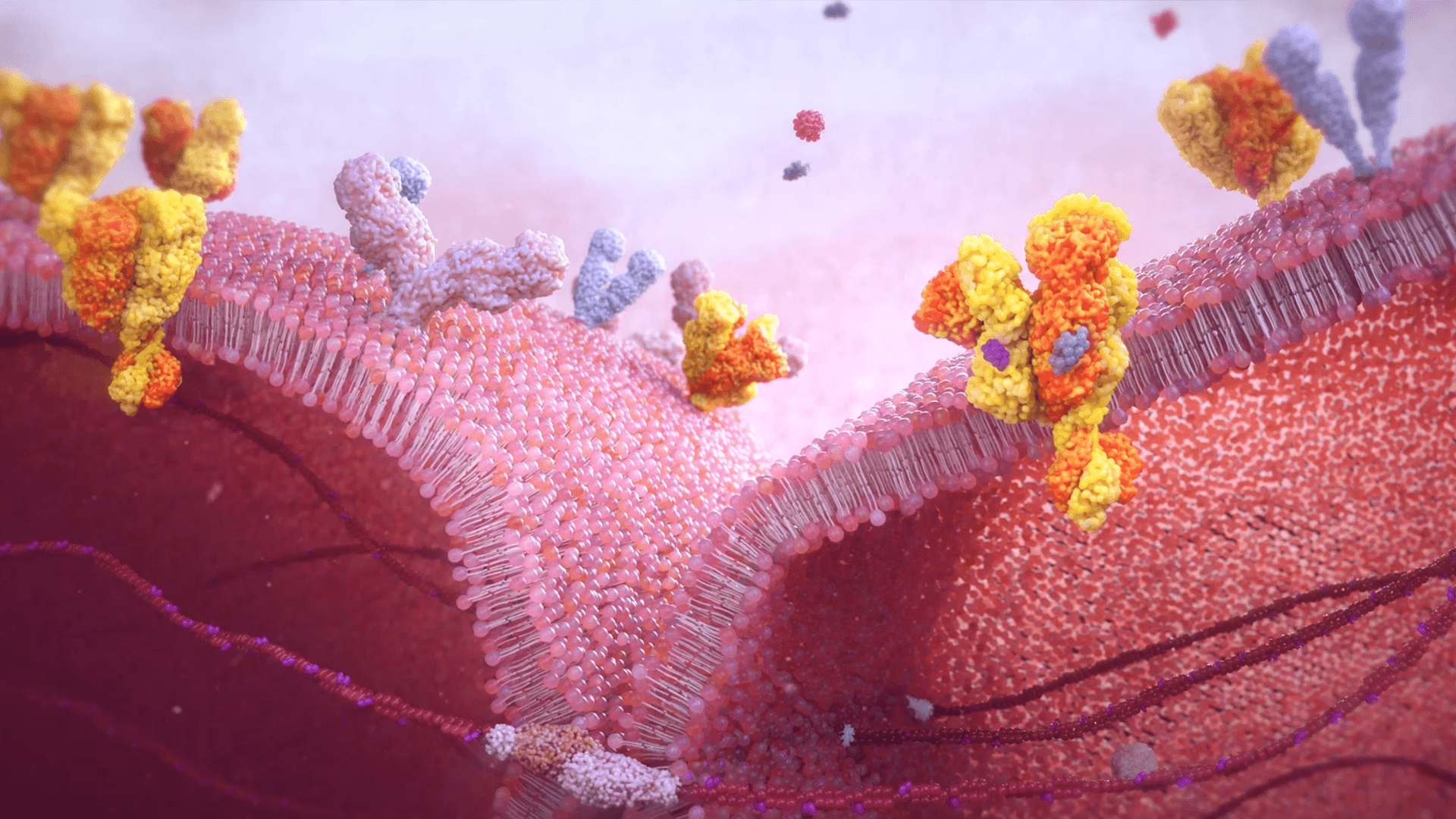
Further, how the tPA overexpression and binding to NMDA receptors (NMDAr) present on vascular endothelial cells is regulating the blood brain barrier (BBB) function / dysfunction. The overactivation of vascular NMDAr is triggering an increase of the permeability of the BBB allowing the transmigration of toxic immune cells to the brain parenchyma leading to neuroinflammation and ultimately causing neurodegeneration.
And finally the MOA of Glunozumab, by blocking the tPA-NMDAr interaction inside the blood vessels, and restoring both NMDAr and blood-brain barrier physiological functioning (no perturbation of basal function), blocking both neuroinflammatory and neurodegenerative processes.
Thus, showcasing the unique mechanism of action - that Glunozumab does not need to cross the BBB to act on the central nervous system, which is a distinctive feature for the treatment of neurological diseases and could be a potential game changer for patients suffering from neurological disorders with high unmet medical needs.
Next step