%20--%3e%3crect%20x='1020.133'%20y='137.663'%20width='64.476'%20height='76.118'%20fill='%23008f97'/%3e%3cpath%20d='M1400.664,454.669h-117.108c-28.781,37.37-56.467,58.911-99.336,58.911h0c-22.794,0-55.624-6.553-77.468-63.212-14.693-38.107-22.143-93.03-22.143-163.241h-64.474c0,70.209-7.449,125.133-22.143,163.241-21.642,56.129-54.056,63.08-76.821,63.205-31.677-.065-63.996-24.4-89.21-66.993,53.24-69.506,82.369-158.871,82.369-253.747,0-53.253-5.951-96.245-17.687-127.788C875.582,8.45,839.22,0,819.417,0c-27.709,0-65.11,14.43-85.936,83.177-13.598,44.896-16.453,100.105-16.453,138.511,0,81.793,13.129,155.198,38.218,215.002-38.39,38.344-98.925,76.89-187.116,76.89-11.478,0-22.148-.643-32.059-1.849,59.345-33.063,105.781-78.051,105.781-133.919,0-30.047-11.345-56.928-32.806-77.735-24.98-24.217-61.04-37.426-98.999-36.253-98.692,3.06-150.774,80.266-149.671,151.355.483,31.229,10.355,60.69,28.34,85.697-31.539,8.357-59.408,12.704-77.245,12.704-27.265,0-36.054-17.384-47.029-93.001-4.784-32.965-9.732-67.051-23.543-94.981-18.4-37.211-50.072-56.88-91.593-56.88-29.329,0-59.475,12.018-84.932,39.989V77.175H0v492.19h64.374v-23.597c0-146.122,44.026-212.676,84.932-212.676,28.512,0,39.325,13.341,51.429,96.732,4.665,32.139,9.488,65.373,22.615,92.43,22.334,46.037,60.247,55.7,88.121,55.7,29.771,0,81.278-9.3,134.888-27.297,33.459,17.949,74.83,27.297,121.771,27.297,82.356,0,158.427-29.005,218.606-82.549,36.247,53.175,83.064,82.226,133.786,82.521v.028c.188,0,.382-.007.571-.008.07,0,.138.008.208.008v-.01c41.865-.199,97.19-16.68,131.071-90.941,34.088,74.718,89.893,90.951,131.848,90.951,76.707,0,121.934-44.343,157.889-93.784,35.956,49.441,81.183,93.784,157.891,93.784v-64.374C1457.13,513.58,1429.444,492.039,1400.664,454.669ZM454.914,478.873c-20.865-18.799-29.83-42.635-30.171-64.692-.849-54.665,43.276-84.65,87.298-86.014.874-.027,1.739-.041,2.605-.041,19.374,0,37.761,6.702,49.589,18.169,8.786,8.518,13.242,19.123,13.242,31.517,0,28.341-37.533,62.547-100.399,91.504C469.764,472.685,462.354,475.872,454.914,478.873ZM801.996,376.033c-13.444-45.067-20.594-97.82-20.594-154.345,0-107.316,22.685-157.314,38.015-157.314,10.649,0,30.538,37.681,30.538,128.459C849.955,259.731,833.167,323.107,801.996,376.033Z'%20fill='%23008f97'/%3e%3cpath%20d='M1342.109,369.985c-35.955-49.442-81.182-93.786-157.889-93.786v64.376c42.869,0,70.555,21.541,99.336,58.909h117.107c28.781-37.368,56.467-58.909,99.337-58.909v-64.376C1423.292,276.199,1378.065,320.543,1342.109,369.985Z'%20fill='%23008f97'/%3e%3c/svg%3e)

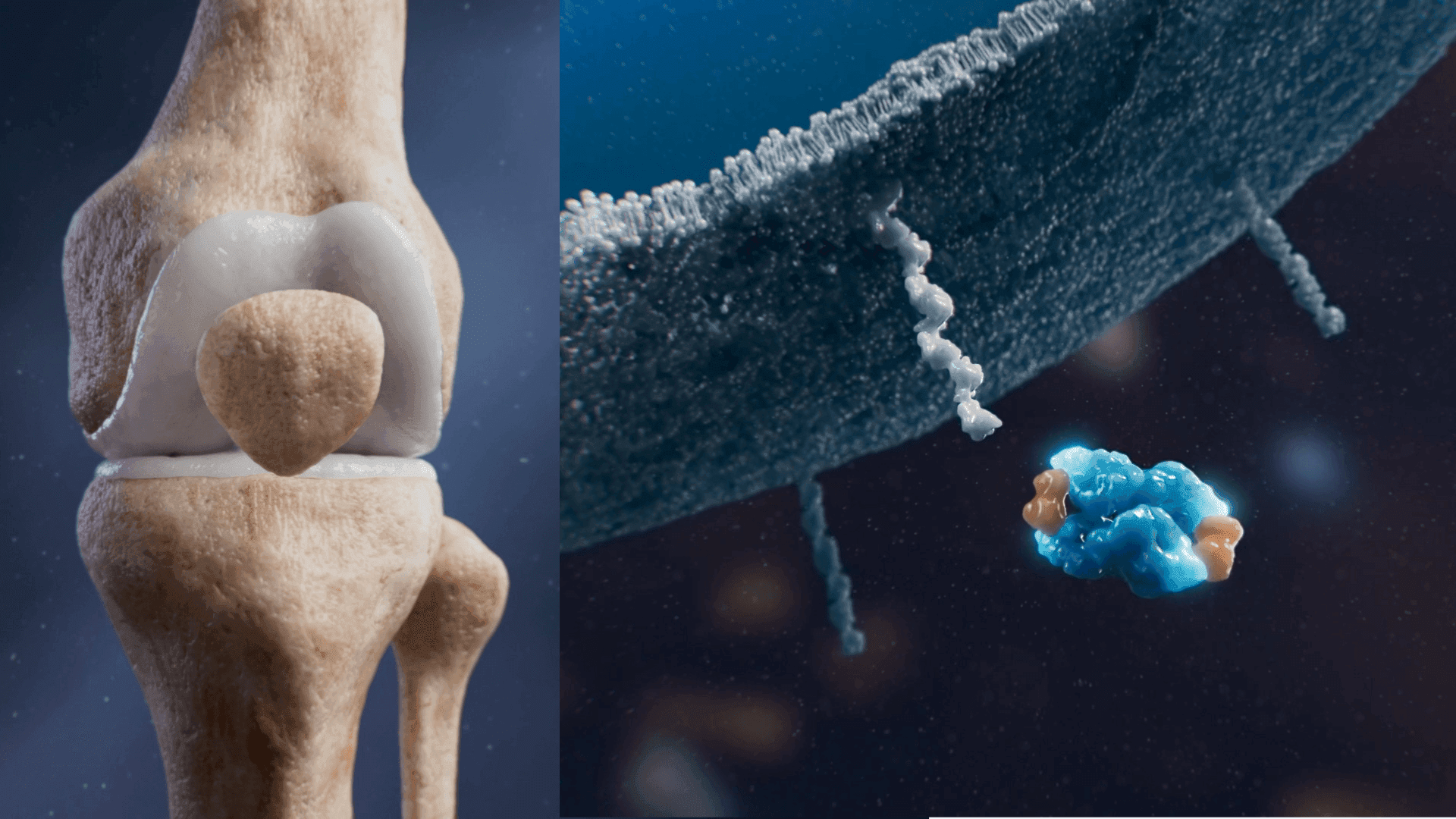
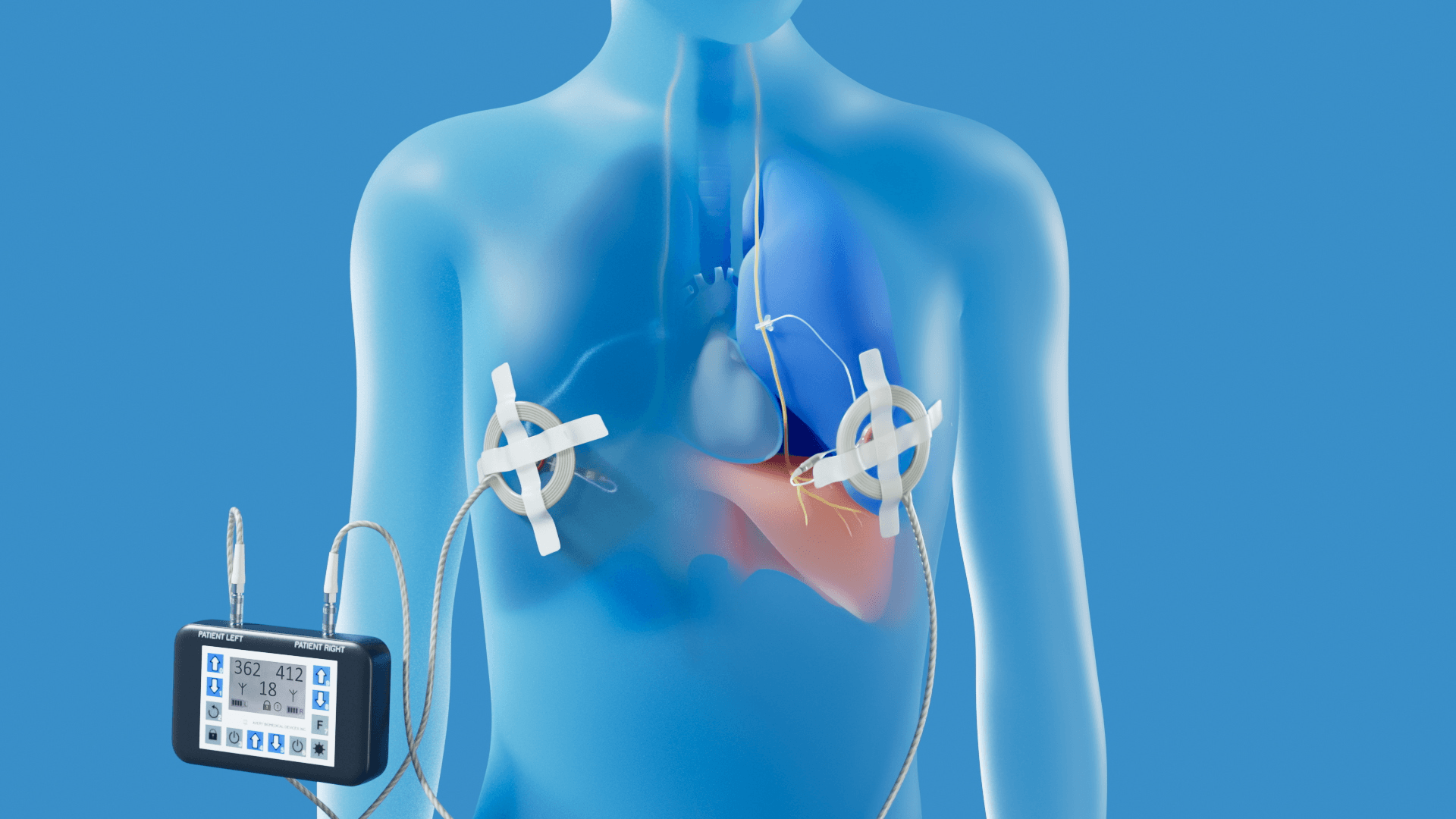
The medical education sphere is increasingly finding the usage of 3D animation as highly beneficial. Regardless of whether these healthcare visualization videos are used by physicians informing their patients, medical educators or students studying medicine, they can greatly accelerate the learning process.
Professional Education
Medical doctors can also improve their knowledge in their respective fields by using medical animation throughout their learning process. Healthcare professionals can both upgrade their existing knowledge and learn new skills and procedures. For instance, new and innovative surgical practices can be learned more easily by watching a 3D animation with a detailed step-by-step tutorial.
In a world where around 65% of people are visual learners, healthcare visualization can convey complex medical notions in a way that pages of words cannot. Today, the trend to implement educational visualisation in the courses is starting to grow and we can say with confidence that future courses will be enriched with plenty of 3D visualisations, because learning with 3D videos leads to better engagement, improved comprehension and memory recollection.
Doctors Teaching Patients and Their Families
Doctors often utilize medical visualization to inform their patients and their families about their specific health issues and how to manage them. Patients that have to undergo a surgical procedure will see how that specific procedure will be performed. By providing this wealth of information through the use of 3d animation, doctors will empower their patients to make better and more informed choices regarding their health.
Furthermore, if you are looking to purchase a medical device or a drug for your individual healthcare needs, you can easily learn how and when to use any specific medical product by watching the corresponding animated video. By doing so, you can minimize any potential side effects that may arise from improper usage.
Using Medical Visualization To Improve the Student Learning Process
Nowadays, students and doctors that wish to further improve their specialization in any given field can easily visualize complex processes with the use of medical animation. If healthcare visualization is introduced when learning medical theory, it will greatly improve the understanding of any medical notion by presenting it in a lifelike scenario.
Educators that implement 3d medical animation in their lessons can ensure that students with different learning styles easily master any medical procedure. For instance, surgical students can be expertly trained in existing and new surgical procedures, while general anatomical structures can be as easily presented clearly in a 1-minute video rather than in hundred written pages.
Research teams and awareness initiatives are also increasingly relying on 3D animations and representations in their efforts to bring closer to the expert or broader public their initiatives and discoveries, as well as seeking funding or authority approval. In light of our mission, we provide special discounts for research teams and awareness initiatives. You can also read through our previous blog post on the Medical Animation Process where we go in detail about all the production stages of a healthcare animation.