%20--%3e%3crect%20x='1020.133'%20y='137.663'%20width='64.476'%20height='76.118'%20fill='%23008f97'/%3e%3cpath%20d='M1400.664,454.669h-117.108c-28.781,37.37-56.467,58.911-99.336,58.911h0c-22.794,0-55.624-6.553-77.468-63.212-14.693-38.107-22.143-93.03-22.143-163.241h-64.474c0,70.209-7.449,125.133-22.143,163.241-21.642,56.129-54.056,63.08-76.821,63.205-31.677-.065-63.996-24.4-89.21-66.993,53.24-69.506,82.369-158.871,82.369-253.747,0-53.253-5.951-96.245-17.687-127.788C875.582,8.45,839.22,0,819.417,0c-27.709,0-65.11,14.43-85.936,83.177-13.598,44.896-16.453,100.105-16.453,138.511,0,81.793,13.129,155.198,38.218,215.002-38.39,38.344-98.925,76.89-187.116,76.89-11.478,0-22.148-.643-32.059-1.849,59.345-33.063,105.781-78.051,105.781-133.919,0-30.047-11.345-56.928-32.806-77.735-24.98-24.217-61.04-37.426-98.999-36.253-98.692,3.06-150.774,80.266-149.671,151.355.483,31.229,10.355,60.69,28.34,85.697-31.539,8.357-59.408,12.704-77.245,12.704-27.265,0-36.054-17.384-47.029-93.001-4.784-32.965-9.732-67.051-23.543-94.981-18.4-37.211-50.072-56.88-91.593-56.88-29.329,0-59.475,12.018-84.932,39.989V77.175H0v492.19h64.374v-23.597c0-146.122,44.026-212.676,84.932-212.676,28.512,0,39.325,13.341,51.429,96.732,4.665,32.139,9.488,65.373,22.615,92.43,22.334,46.037,60.247,55.7,88.121,55.7,29.771,0,81.278-9.3,134.888-27.297,33.459,17.949,74.83,27.297,121.771,27.297,82.356,0,158.427-29.005,218.606-82.549,36.247,53.175,83.064,82.226,133.786,82.521v.028c.188,0,.382-.007.571-.008.07,0,.138.008.208.008v-.01c41.865-.199,97.19-16.68,131.071-90.941,34.088,74.718,89.893,90.951,131.848,90.951,76.707,0,121.934-44.343,157.889-93.784,35.956,49.441,81.183,93.784,157.891,93.784v-64.374C1457.13,513.58,1429.444,492.039,1400.664,454.669ZM454.914,478.873c-20.865-18.799-29.83-42.635-30.171-64.692-.849-54.665,43.276-84.65,87.298-86.014.874-.027,1.739-.041,2.605-.041,19.374,0,37.761,6.702,49.589,18.169,8.786,8.518,13.242,19.123,13.242,31.517,0,28.341-37.533,62.547-100.399,91.504C469.764,472.685,462.354,475.872,454.914,478.873ZM801.996,376.033c-13.444-45.067-20.594-97.82-20.594-154.345,0-107.316,22.685-157.314,38.015-157.314,10.649,0,30.538,37.681,30.538,128.459C849.955,259.731,833.167,323.107,801.996,376.033Z'%20fill='%23008f97'/%3e%3cpath%20d='M1342.109,369.985c-35.955-49.442-81.182-93.786-157.889-93.786v64.376c42.869,0,70.555,21.541,99.336,58.909h117.107c28.781-37.368,56.467-58.909,99.337-58.909v-64.376C1423.292,276.199,1378.065,320.543,1342.109,369.985Z'%20fill='%23008f97'/%3e%3c/svg%3e)
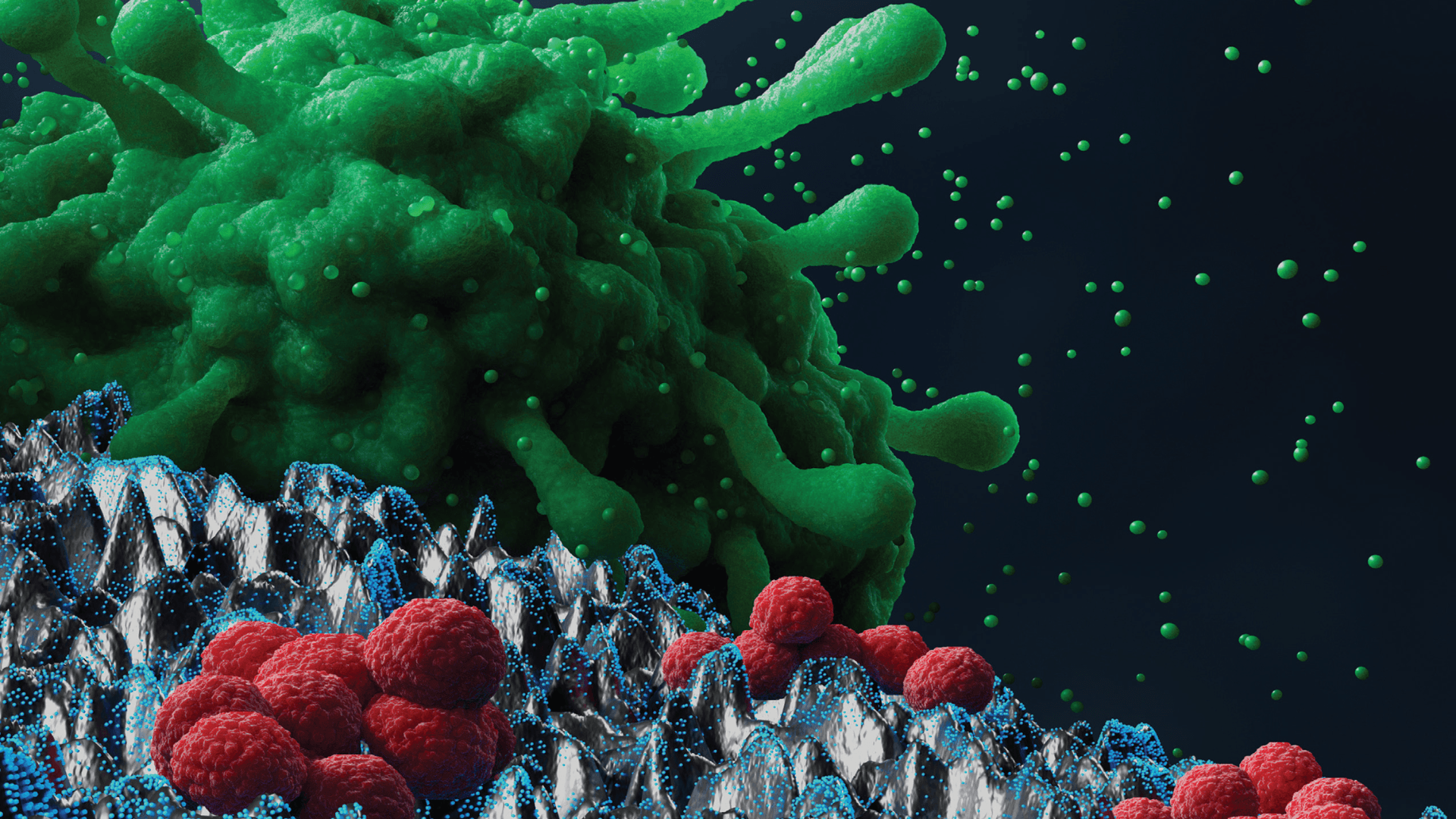
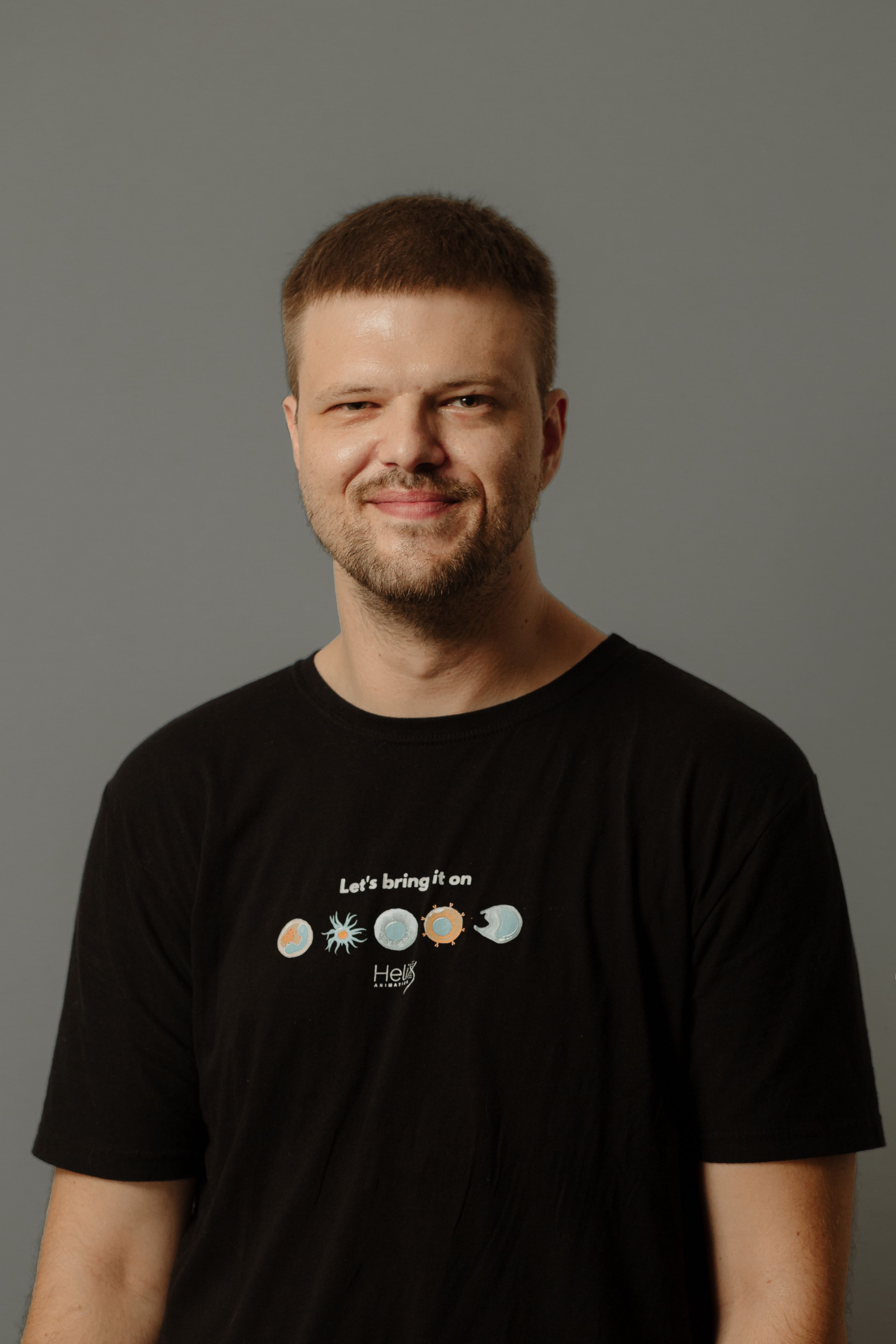
At Helix Animation, we take pride in the diverse talents and accomplishments of our team. Today, we're thrilled to spotlight our FX and Animation Supervisor Veselin Boshkovikj, who has recently co-authored a scientific research paper published at Advanced Materials Interfaces Journal and an image he created representing the essence of the study was featured on the Cover of the Journal.
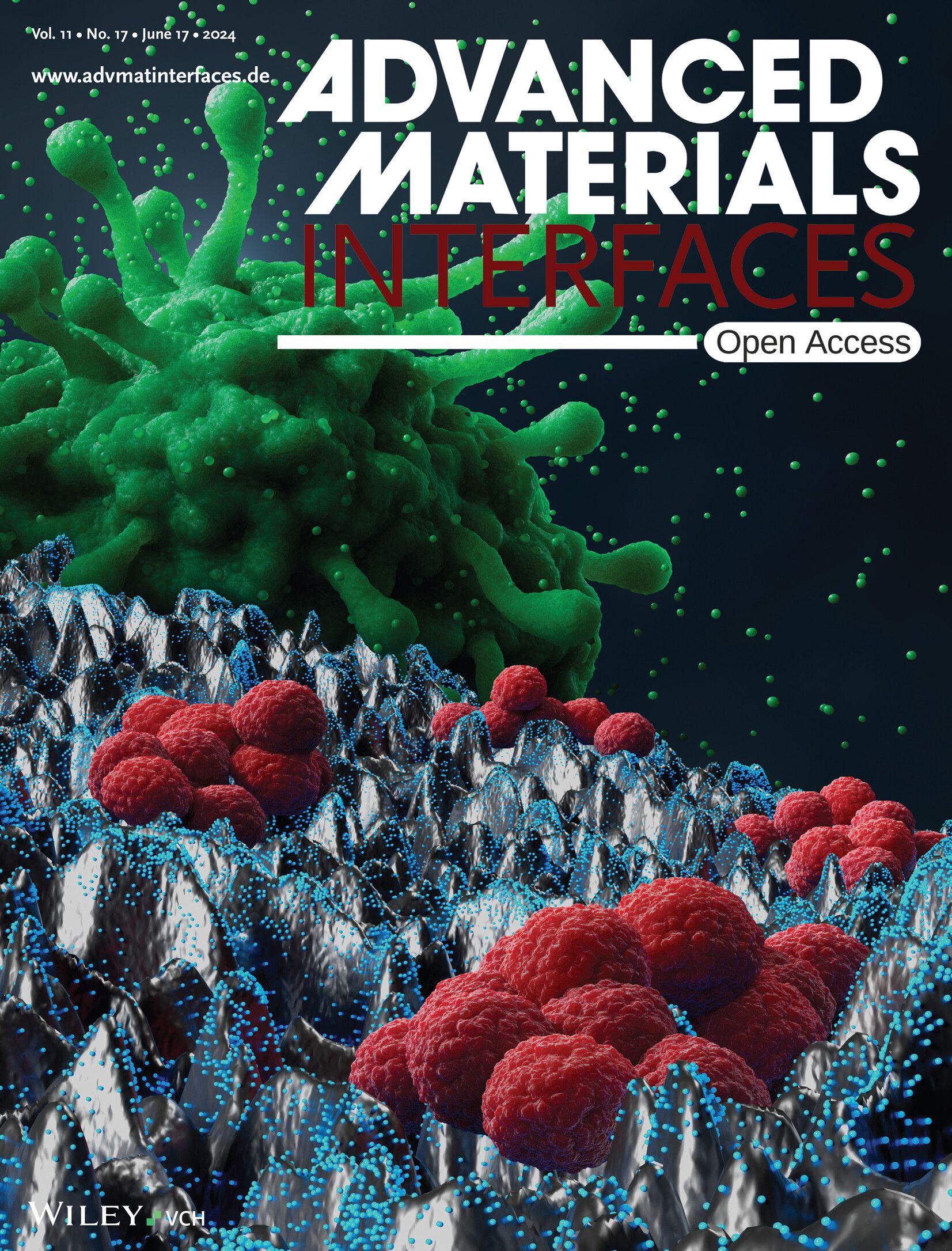
The Research Paper titled ‘Understanding the Influence of Serum Proteins Adsorption on the Mechano-Bactericidal Efficacy and Immunomodulation of Nanostructured Titanium’ investigates the effectiveness of nanostructured surfaces in neutralizing bacterial cells and their potential as biomaterials. It highlights a study where human serum proteins were adsorbed onto titanium nanosheets, showing that these surfaces maintained high bactericidal efficiency against certain bacteria. Additionally, the study also indicates that these surfaces promoted an anti-inflammatory immune response, suggesting their suitability as a biomaterial surface without compromising their antibacterial properties.
Veselin has a Master's degree (by research), Life Science from Swinburne University of Technology in Melbourne, Australia and his contribution in this research was multifold:
- Worked on extracting 3D surface data from 2D SEM images to reconstruct three-dimensional models.
- Additionally, he developed a video that visually represented the 3D surface, ensuring the data was communicated and accessible to broader audiences.
- Finally, as the research paper was featured on the Advanced Materials Interfaces Journal Cover, he created the Cover Image - a visually engaging and representative graphic that encapsulated the essence of the research.
We asked him to share his thoughts on how the research work relates to his professional development as a 3D artist, his current role and the advantages scientific 3D visualizations can provide researchers, as well as its uniqueness compared to other 3D animations.
“My research work has kept me connected with the scientific community since my post-graduate student days. By staying engaged in this field, I remain up-to-date with the evolving needs and advancements that scientists require from the 3D industry to enhance their research. This continuous involvement allows me to understand the latest trends and demands, ensuring that my skills and knowledge align with what the scientific world needs to progress in various studies”.
How does it help in your current role at Helix Animation?
“My research skills and knowledge significantly enhance my ability to communicate effectively with clients in my professional field as a 3D artist. Understanding the scientific principles behind the stories clients want to visualize allows me to grasp their needs more quickly and accurately. This insight enables me to create detailed, precise, and compelling 3D animations that align with their scientific objectives and vision”.
Can utilizing 3D visualization tools and techniques help scientists in their research work?
“3D visualizations make research easier and more effective through simplifying complex ideas, share findings clearly, and run accurate simulations. They allow for quick design changes, combine different types of data into one clear picture, and make science more accessible to everyone. This approach can help scientists find patterns and insights that might be missed with 2D methods, boosting innovation and teamwork in research”.
What are the unique challenges and specifics of creating scientific 3D animations, vis-a-vis other types of animations?
“Unlike 3D animations in the entertainment industry, scientific 3D animations require a high level of accuracy and attention to detail to represent complex scientific data and concepts. This demands a thorough understanding of the scientific principles involved, as well as close collaboration with researchers and scientists to ensure the animations are both visually compelling and scientifically accurate. Additionally, scientific 3D animations often need to illustrate processes that are not visible to the naked eye, such as molecular interactions or microscopic biological events, which requires sophisticated visualization techniques and advanced software tools. The final product must effectively communicate intricate information in an accessible and engaging manner, making these animations a powerful tool for education and research dissemination”.
We are immensely proud of Veselin’s achievement and grateful for the expertise he brings to our team. His experience in both contributing to new knowledge and presenting it effectively strengthens our capabilities as a scientific communication agency. At the core of scientific 3D visualization lies a commitment to accuracy and clear communication. The insights Helix Animation team members gain from active research enhance our team's ability to understand the clients’ scientific concepts, craft their storytelling and create visualizations that are not only engaging but also clear and scientifically accurate.