%20--%3e%3crect%20x='1020.133'%20y='137.663'%20width='64.476'%20height='76.118'%20fill='%23008f97'/%3e%3cpath%20d='M1400.664,454.669h-117.108c-28.781,37.37-56.467,58.911-99.336,58.911h0c-22.794,0-55.624-6.553-77.468-63.212-14.693-38.107-22.143-93.03-22.143-163.241h-64.474c0,70.209-7.449,125.133-22.143,163.241-21.642,56.129-54.056,63.08-76.821,63.205-31.677-.065-63.996-24.4-89.21-66.993,53.24-69.506,82.369-158.871,82.369-253.747,0-53.253-5.951-96.245-17.687-127.788C875.582,8.45,839.22,0,819.417,0c-27.709,0-65.11,14.43-85.936,83.177-13.598,44.896-16.453,100.105-16.453,138.511,0,81.793,13.129,155.198,38.218,215.002-38.39,38.344-98.925,76.89-187.116,76.89-11.478,0-22.148-.643-32.059-1.849,59.345-33.063,105.781-78.051,105.781-133.919,0-30.047-11.345-56.928-32.806-77.735-24.98-24.217-61.04-37.426-98.999-36.253-98.692,3.06-150.774,80.266-149.671,151.355.483,31.229,10.355,60.69,28.34,85.697-31.539,8.357-59.408,12.704-77.245,12.704-27.265,0-36.054-17.384-47.029-93.001-4.784-32.965-9.732-67.051-23.543-94.981-18.4-37.211-50.072-56.88-91.593-56.88-29.329,0-59.475,12.018-84.932,39.989V77.175H0v492.19h64.374v-23.597c0-146.122,44.026-212.676,84.932-212.676,28.512,0,39.325,13.341,51.429,96.732,4.665,32.139,9.488,65.373,22.615,92.43,22.334,46.037,60.247,55.7,88.121,55.7,29.771,0,81.278-9.3,134.888-27.297,33.459,17.949,74.83,27.297,121.771,27.297,82.356,0,158.427-29.005,218.606-82.549,36.247,53.175,83.064,82.226,133.786,82.521v.028c.188,0,.382-.007.571-.008.07,0,.138.008.208.008v-.01c41.865-.199,97.19-16.68,131.071-90.941,34.088,74.718,89.893,90.951,131.848,90.951,76.707,0,121.934-44.343,157.889-93.784,35.956,49.441,81.183,93.784,157.891,93.784v-64.374C1457.13,513.58,1429.444,492.039,1400.664,454.669ZM454.914,478.873c-20.865-18.799-29.83-42.635-30.171-64.692-.849-54.665,43.276-84.65,87.298-86.014.874-.027,1.739-.041,2.605-.041,19.374,0,37.761,6.702,49.589,18.169,8.786,8.518,13.242,19.123,13.242,31.517,0,28.341-37.533,62.547-100.399,91.504C469.764,472.685,462.354,475.872,454.914,478.873ZM801.996,376.033c-13.444-45.067-20.594-97.82-20.594-154.345,0-107.316,22.685-157.314,38.015-157.314,10.649,0,30.538,37.681,30.538,128.459C849.955,259.731,833.167,323.107,801.996,376.033Z'%20fill='%23008f97'/%3e%3cpath%20d='M1342.109,369.985c-35.955-49.442-81.182-93.786-157.889-93.786v64.376c42.869,0,70.555,21.541,99.336,58.909h117.107c28.781-37.368,56.467-58.909,99.337-58.909v-64.376C1423.292,276.199,1378.065,320.543,1342.109,369.985Z'%20fill='%23008f97'/%3e%3c/svg%3e)
Over 35 million new cancer cases are predicted in 2050, a 77% increase from the estimated 20 million cases in 2022. The rapidly growing global cancer burden reflects both population ageing and growth, as well as changes to people’s exposure to risk factors.
Ahead of World Cancer Day observed on 4th of Feb, the World Health Organization (WHO)’s cancer agency, the International Agency for Research on Cancer (IARC), released the latest estimates of the global burden of cancer. WHO also published survey results from 115 countries, showing a majority of countries do not adequately finance priority cancer and palliative care services, as part of universal health coverage (UHC).
The new estimates available on IARC’s Global Cancer Observatory show that 10 types of cancer collectively comprised around two-thirds of new cases and deaths globally in 2022. Data covers 185 countries and 36 cancers. Lung cancer was the most commonly occurring cancer worldwide with 2.5 million new cases accounting for 12.4% of the total new cases. Female breast cancer ranked second (2.3 million cases, 11.6%), followed by colorectal cancer (1.9 million cases, 9.6%), prostate cancer (1.5 million cases, 7.3%), and stomach cancer (970 000 cases, 4.9%).
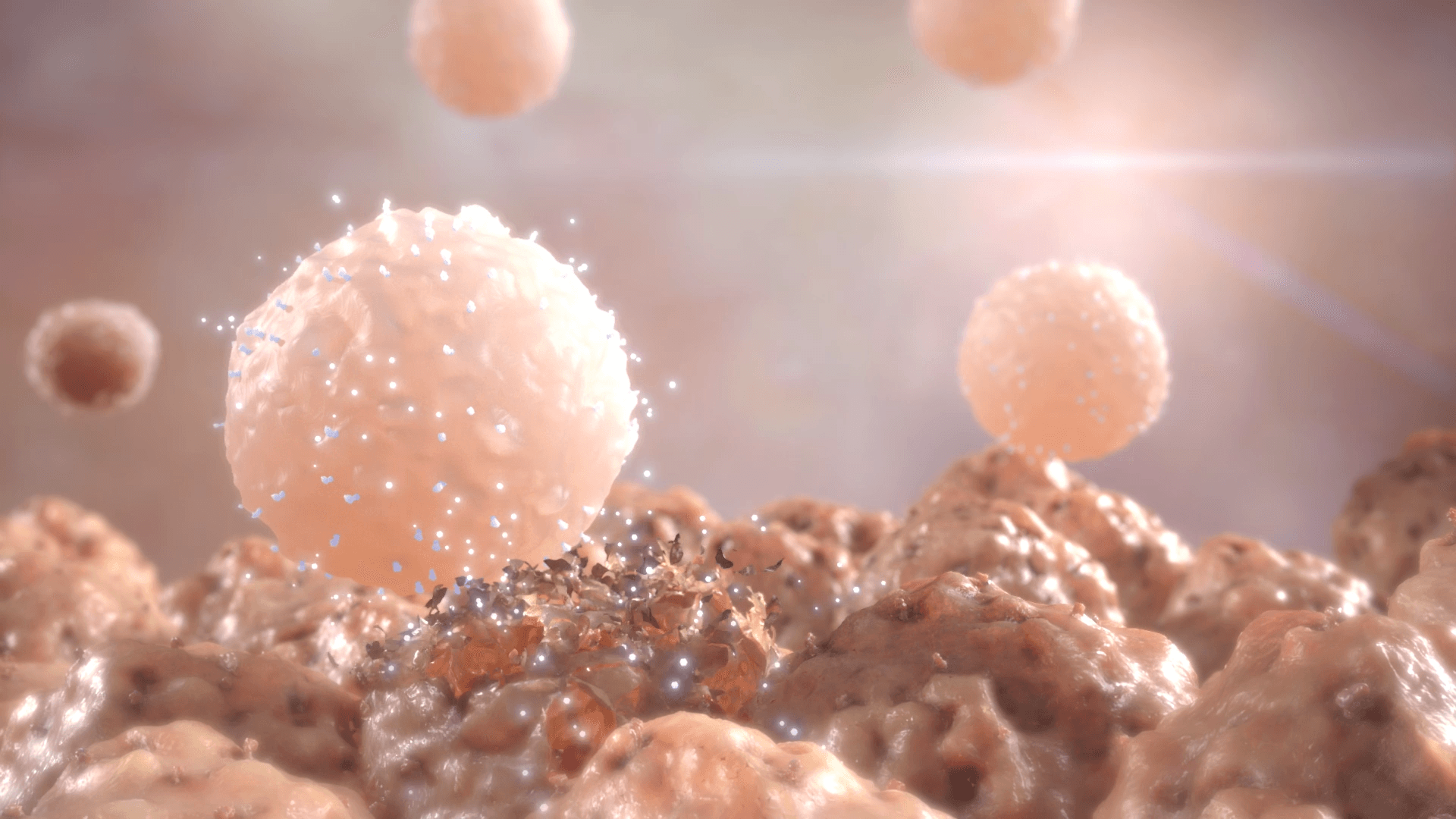
We are joining in the global efforts on raising awareness by sharing a sneak peek into one of the latest visualizations we’ve done on the crucial role of the Immune system to detect and eliminate cancer cells.
World Cancer Day held every 4 February is the global uniting initiative led by the Union for International Cancer Control (UICC). Created in 2000, it emphasizes that by raising worldwide awareness, improving education and catalysing personal, collective and government action, we are all working together to reimagine a world where millions of preventable cancer deaths are saved and access to life-saving cancer treatment and care is equitable for all.
Each year, hundreds of activities and events take place around the world, gathering communities, organisations and individuals in schools, businesses, hospitals, marketplaces, parks, community halls, places of worship - in the streets and online - acting as a powerful reminder that we all have a role to play in reducing the global impact of cancer.
This World Cancer Day 2024 theme is “Close the Care Gap”, and it calls leaders around the globe to eliminate health inequities by addressing their root causes, ensuring that everyone has access to quality health services when, where and how they need them.
Learn more at https://www.worldcancerday.org/
#WorldCancerDay #CloseTheCareGap
Helix Animation Team